
10.08.26
Counterfeit Money and Its Impact on Today's Global Economy
Counterfeit Money's Impact on the Global Economy | 2026 Guide: A Problem That Never Went Away
Counterfeit currency is one of the oldest financial crimes in history. Since the first forms of money appeared, criminals have attempted to create fake versions to gain value illegally.
Today, counterfeit money remains a global challenge. Although many countries are moving toward digital payments, counterfeit activity has not disappeared. Instead, it has adapted to new technologies and changing markets.
Fake banknotes, counterfeit goods, and digital fraud continue to damage trust in financial systems and global trade.
Why Counterfeiting Remains a Global Problem
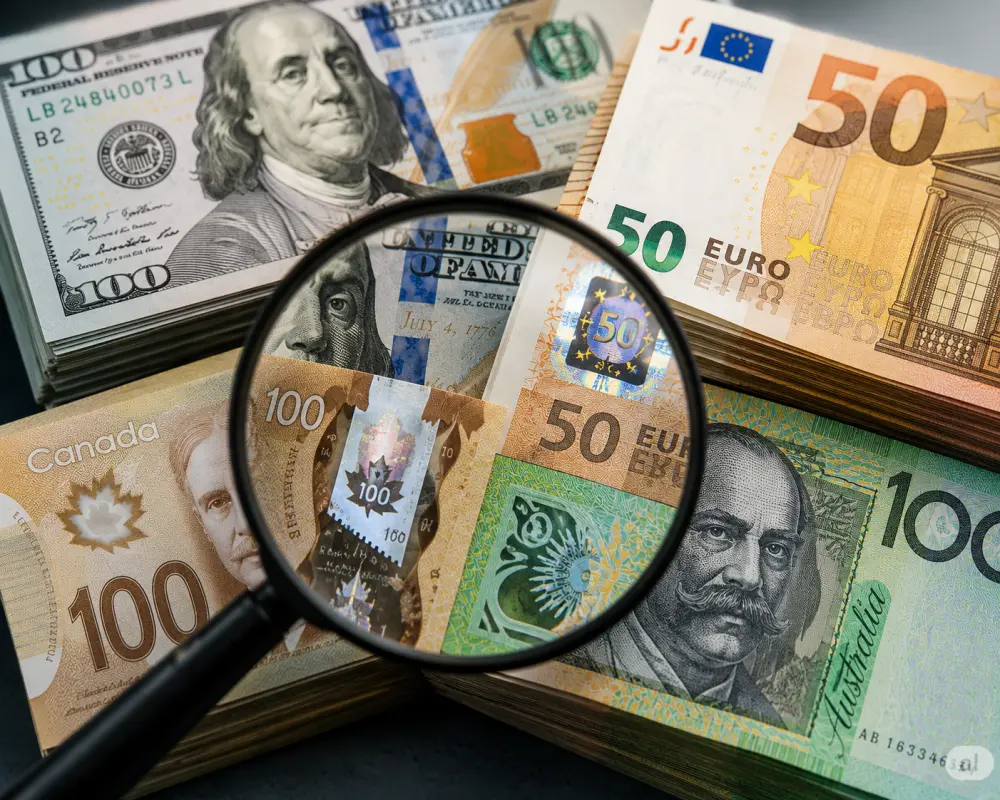
Governments and central banks use advanced security features to protect modern currencies. These features make banknotes harder to copy and easier to verify.
Common security features include:
- Holograms
- Color-changing ink
- Security threads
- Microprinting
- Special security markings
Despite these protections, counterfeiters continue to improve their methods. Modern printers, scanners, and digital design tools have made it easier to produce convincing fake currency.
Central banks must regularly update banknotes and introduce new security technologies. This requires significant investment and ongoing research.
How Counterfeit Money Affects the Economy
Money has value because people trust it. When counterfeit currency enters circulation, it can weaken confidence and create economic problems.
Reduced Public Trust
If people are unsure whether their money is genuine, they may become less willing to accept cash payments.
This can slow business activity, especially in areas where cash remains an important payment method.
Financial Costs for Businesses
Banks and retailers spend money on counterfeit detection equipment, employee training, and security systems.
These additional costs can affect businesses and may eventually lead to higher prices for customers.
Impact on Currency Reputation
A currency that is frequently targeted by counterfeiters can lose credibility.
This can affect international trade, investment, and confidence in a country's financial system.
The Wider Counterfeit Economy
Counterfeiting is not limited to fake banknotes. It also includes counterfeit products, fake medicines, unauthorized electronics, and other forms of fraudulent trade.
The growth of online shopping has made it easier for counterfeit products to reach consumers worldwide.
The counterfeit economy creates several serious problems:
- Job Losses: Legitimate companies lose sales when customers purchase fake products, reducing investment and employment opportunities.
- Tax Revenue Loss: Illegal counterfeit businesses often avoid taxes, reducing government funding for public services.
- Consumer Safety Risks: Fake medicines, electronics, and vehicle parts may fail safety standards and put people at risk.
- Reduced Innovation: Companies may spend less on research when their products can be easily copied.
The Digital Frontier: Cryptocurrency and Online Fraud
As financial systems become more digital, criminals are finding new ways to commit fraud.
Modern financial threats include cryptocurrency scams, fake digital wallets, phishing attacks, and attempts to steal digital assets.
Blockchain technology makes traditional cryptocurrency counterfeiting difficult because transactions are protected through secure digital records.
However, digital platforms can still face security risks. Exchanges, wallets, and online services may be targeted by criminals.
As the world moves toward cashless payments, protecting digital systems will require stronger security tools, better regulations, and international cooperation.
Technology Fighting Counterfeiting
New technologies are helping governments and businesses detect and prevent counterfeit activity.
Advanced Currency Security
Central banks continue improving banknote protection with advanced features such as:
- Polymer banknotes
- Security ribbons
- Special inks
- UV detection features
These technologies make it more difficult for criminals to reproduce genuine currency.
Digital Verification Systems
Companies are also exploring digital tools to verify product authenticity.
Blockchain-based systems can create secure records that allow businesses and customers to track products from production to purchase.
Public Awareness and Cooperation
Education remains an important part of preventing counterfeit fraud.
Consumers and businesses who understand security features can identify suspicious money more easily.
International cooperation also helps law enforcement agencies investigate criminal networks and reduce counterfeit operations.
Conclusion
Counterfeit money and counterfeit goods continue to create economic challenges around the world.
They damage trust, create financial losses, reduce tax revenue, and may put consumers at risk.
Although technology has changed the way counterfeiters operate, it has also created new tools to fight fraud.
The future of preventing counterfeiting will depend on better technology, stronger cooperation, effective regulations, and public awareness.
Whether money exists as physical cash or digital value, protecting trust remains essential for a stable global economy.